
Instructional Prototype for a Global Nonprofit
Building on a storyboard developed in a prior assignment, this project moved from plan to prototype — a live, interactive module built inside SC Training for a fictional international disaster-relief nonprofit. Completed as part of an instructional design certificate program, the deliverables were a functional mobile-first module and a design pitch deck presenting the rationale behind every interaction choice.

Role
Instructional Designer
Tools, Technologies & Strategies
SC Training (formerly EdApp), Google Docs, Claude — Learning Context Analysis, Learning Objectives Writing, Assessment Challenge Diagnosis, Assessment Theory Application, Performance Gap Analysis, Kirkpatrick Evaluation Model, Authentic Assessment Framework, Criterion-Referenced Assessment Framework
The Challenge
The goal was to translate instructional intent into something a learner could actually move through. That shift from document to experience surfaces design problems that storyboards can't — pacing, interaction friction, whether the content actually flows the way you imagined it would. The added constraint was building it inside a platform that had to support a globally distributed, low-bandwidth audience.
My Contribution
I built the prototype end to end in SC Training, designed all three interaction types, and developed the accompanying pitch deck.
Design Decisions
The core decision was to treat the three interaction types — drag-and-drop sequencing, multiple-choice hazard prioritization, and scenario-based image decision — as a single cognitive workflow rather than three separate exercises. Each one maps to what a volunteer actually does in the first few minutes on a disaster site. That sequencing was deliberate: it makes the module feel like a simulation rather than a quiz, which matters when the subject matter is this serious. I also made an explicit call to keep gamification light — progress tracking and immediate feedback rather than leaderboards or points. The content demands credibility, and heavy gamification would have undercut it.
Build Process
-
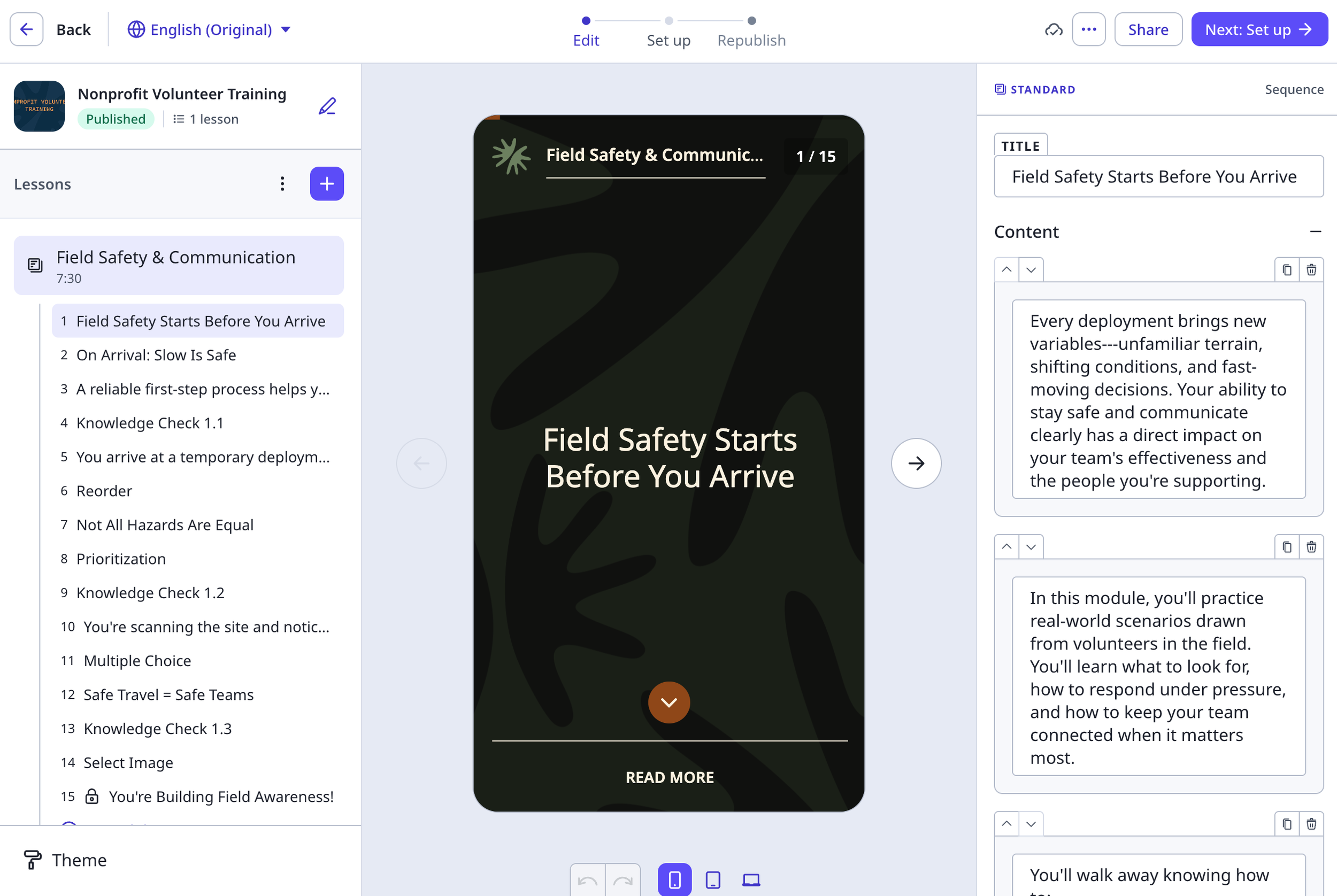
![Screenshot of the SC Training (SafetyCulture) course builder backend showing the module structure]()
Backend of SC Training
-
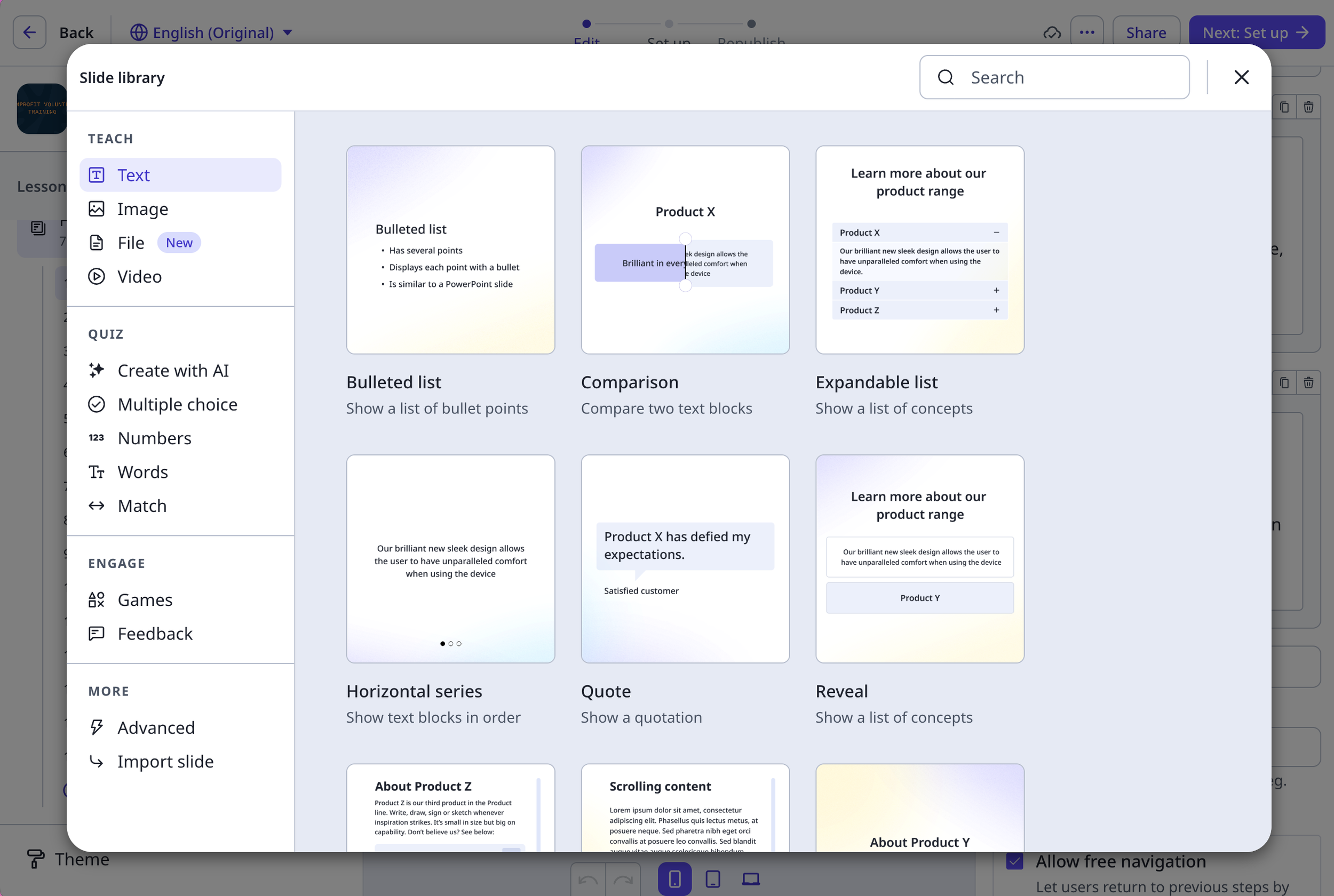
![Screenshot of SC Training's slide type options used during the prototype build process]()
Slide Options withing SC Training
-
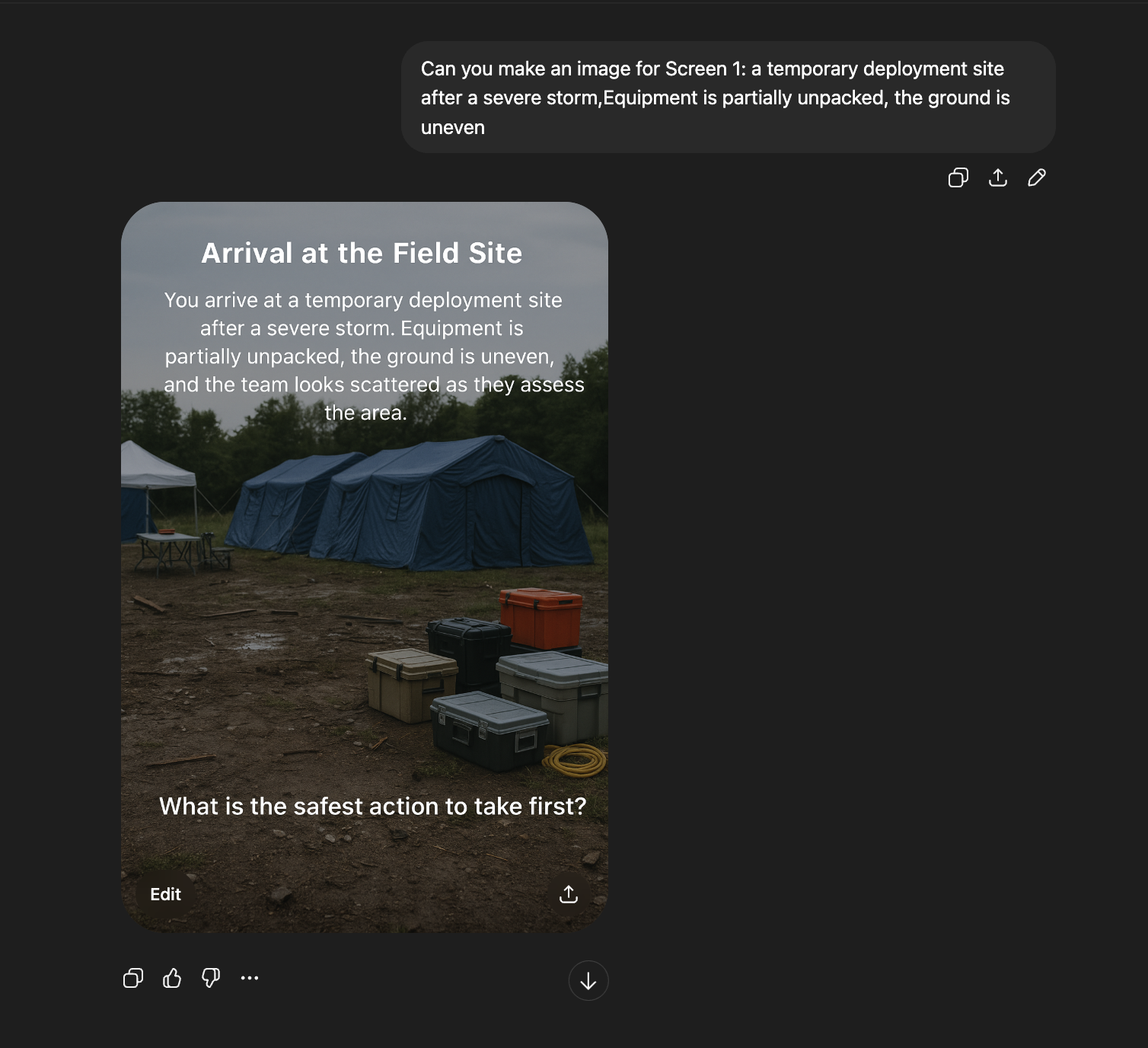
![Screenshot of a ChatGPT conversation used to generate images for the instructional prototype]()
Conversation with ChatGPT for image creation
-
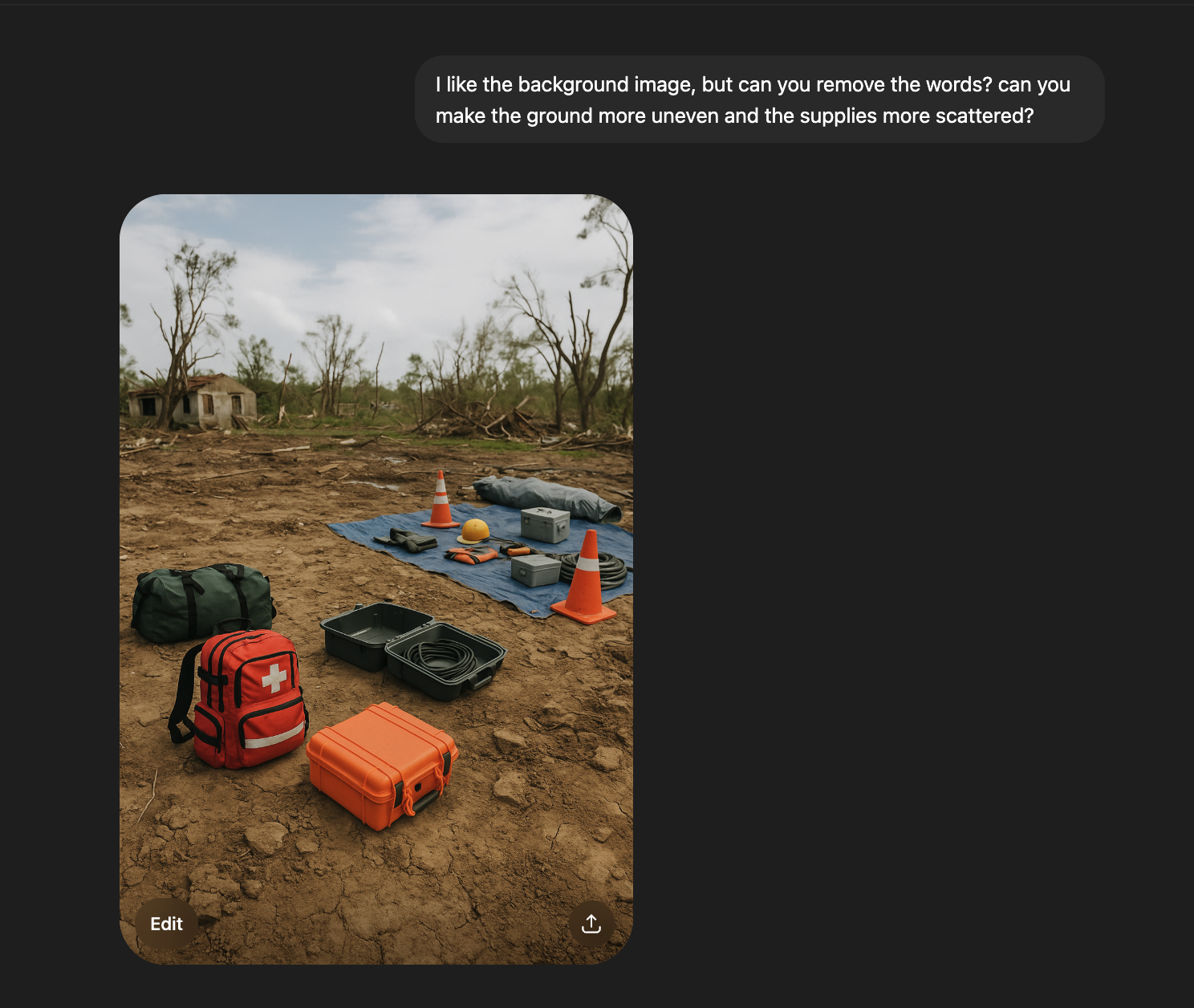
![Screenshot of a continued ChatGPT conversation used during the image creation process for the prototype]()
Conversation with ChatGPT for image creation
Outcomes & Reflection
The prototype accomplished what it set out to do — a coherent, interactive module that moves like a real training experience rather than a slideshow. That said, SC Training turned out to be a more limiting platform than my research suggested. Some interaction types I wanted to build weren't possible, or required workarounds that added friction. If I were doing this again, I'd pressure-test the platform's constraints earlier in the process before committing to specific interaction designs.